
A Student’s Guide to Housing in Berkeley
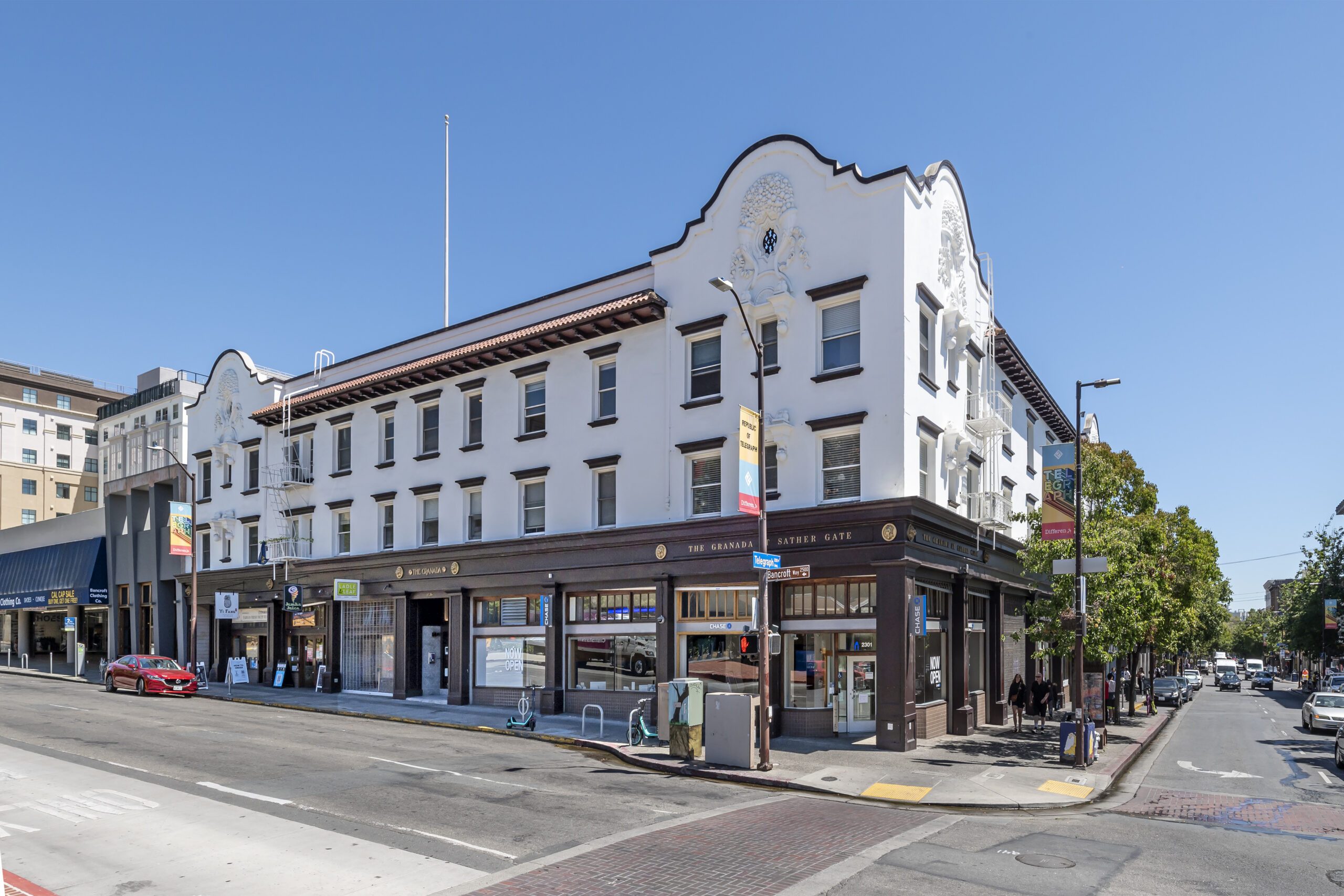
Where to start if you’re looking for student housing in Berkeley
Finding a place to live in Berkeley shapes your whole time here, and the housing market moves faster than most first-year students expect. The good options go early, the rules are specific, and nobody hands you a guide to any of it. This is that guide. It covers your real housing options, what each one costs, when to start, and the tenant protections that keep you from getting taken advantage of on your first lease.
One thing up front: Berkeley has some of the strongest tenant protections in the country. That matters more than most students realize, and we get into it below.
What are my housing options as a Berkeley student?
There are four main paths, and the right one depends on your budget, your timeline, and how much independence you want.
University housing puts you closest to class with a meal plan and a built-in social scene, which is why most first-years start here. The tradeoff is cost and space. You’ll usually pay more per month than a shared apartment, with less room and less privacy. UC Berkeley’s residence halls range from historic buildings to newer high-rises, and demand outstrips supply, so the application timing matters.
Off-campus apartments give you more space and independence, and they open up the neighborhoods. You take on utilities, groceries, and your own lease, but you get to actually live in the city. Southside and the Telegraph area keep you closest to campus, Northside is quieter and walkable to the north gates, and Downtown Berkeley puts you on BART for trips into the city. This is where a company like ours comes in, and we’ll get to that.
Co-op housing is the affordability play, and in Berkeley it’s a real institution. The Berkeley Student Cooperative runs 17 room-and-board houses plus apartment buildings, most within a few blocks of campus. For the 2026 to 2027 year, a room-and-board house runs about $4,986 per semester, roughly $1,108 a month, and that includes your meals. In exchange you put in a few hours of chores a week and share decision-making with your housemates. It’s cheaper than almost anything else near campus and comes with an instant community, but shared living isn’t for everyone.
Private rentals offer the most independence and the widest range of choices. The catch is that you’re on your own to vet the listing, budget for everything, and read the lease closely. Be careful with informal listing channels like Craigslist and Facebook groups, since Berkeley’s student rental market attracts scams that target people who’ve never rented before. Never wire a deposit before you’ve seen the unit in person and confirmed the person you’re dealing with actually controls it.
How early should I start looking?
Earlier than you think. For the co-ops, offers for fall housing start going out in March and fill on a rolling, first-come basis, and your spot on the waitlist is set by the date you pay the registration fee. So registering early literally moves you up the line. For private and off-campus apartments, the best listings near campus turn over fast in spring and summer, so if you’re targeting fall, start looking in the spring.
A few groups get priority in the co-op system, including EOP students, students with disabilities, transfer students, and education-abroad students, so if that’s you, flag it when you apply.
How does rent control work in Berkeley?
This is the part worth understanding before you sign anything, because Berkeley’s protections are unusually strong and they’re on your side.
Most rental units in Berkeley are covered, at least in part, by the city’s Rent Ordinance. For fully covered units, generally most multi-unit buildings built before June 1980, your landlord can only raise the rent once a year by a set amount called the Annual General Adjustment. For 2026 that increase is just 1.0 percent. On top of that, your landlord can’t raise the rent at all during your first two years in the unit.
Berkeley also requires just cause to evict, which means a landlord needs a specific legal reason listed in the ordinance to end your tenancy, not just a change of mind. And here’s one almost no student knows: your security deposit has to be held in an interest-bearing account, and the landlord owes you that interest every year. If they don’t pay it by the deadline, you’re entitled to deduct 10 percent of your deposit from a rent payment.
A few more things state law gives you as a renter. A landlord generally can’t charge a security deposit larger than one month’s rent. They can’t charge you a screening or application fee when there’s no actual unit available. And if you ever face an eviction notice, you have 10 court days to respond, not five. If any of this comes up, the Berkeley Rent Board has counselors who answer tenant questions for free, and you can look up any address in their rent registry to see how it’s covered.
What should I check before I sign a lease?
Run through this before you commit to anywhere.
Budget for the real number, not just rent. Add utilities, internet, and renters insurance, and confirm which of those the lease covers. Check the location against your actual week, meaning the walk or BART ride to campus, the nearest grocery store, and how it feels after dark. Confirm the amenities that matter to you, like laundry, Wi-Fi, and a place to study. And decide on roommates honestly, since splitting a place is the single biggest way to cut your rent, but only if you actually get along with the people you’re living with.
Then read the lease closely. Understand the length of the term and what happens if you need to leave early, since a fixed-term lease can make you responsible for rent through the end of the term. Ask whether any “last month’s rent” collected upfront actually applies to your last month. And ask questions before you sign, not after. A landlord who won’t answer straight questions about lease terms or repairs is telling you something.
Where Brick + Timber fits
We manage apartments in Berkeley, and our available listings are on Rentbt with current pricing and photos. If you’re looking off-campus and want to skip the sketchier corners of the rental market, tell us your budget and which part of town you’re eyeing, and we can point you toward what fits. Working with a real property manager also means a real lease, a real point of contact for repairs, and none of the deposit-wiring games that show up in student-targeted scams.
Berkeley rewards students who start early and know their rights. Figure out which housing path fits you, get your name in early where timing matters, and read everything before you sign. Do that and you’ll land somewhere that makes the next few years better.
