Things to Do in San Francisco in Winter: Rain, Lights and Crab Season
What to do when it pours, where to go the morning after, and the winter things you only learn by living here.
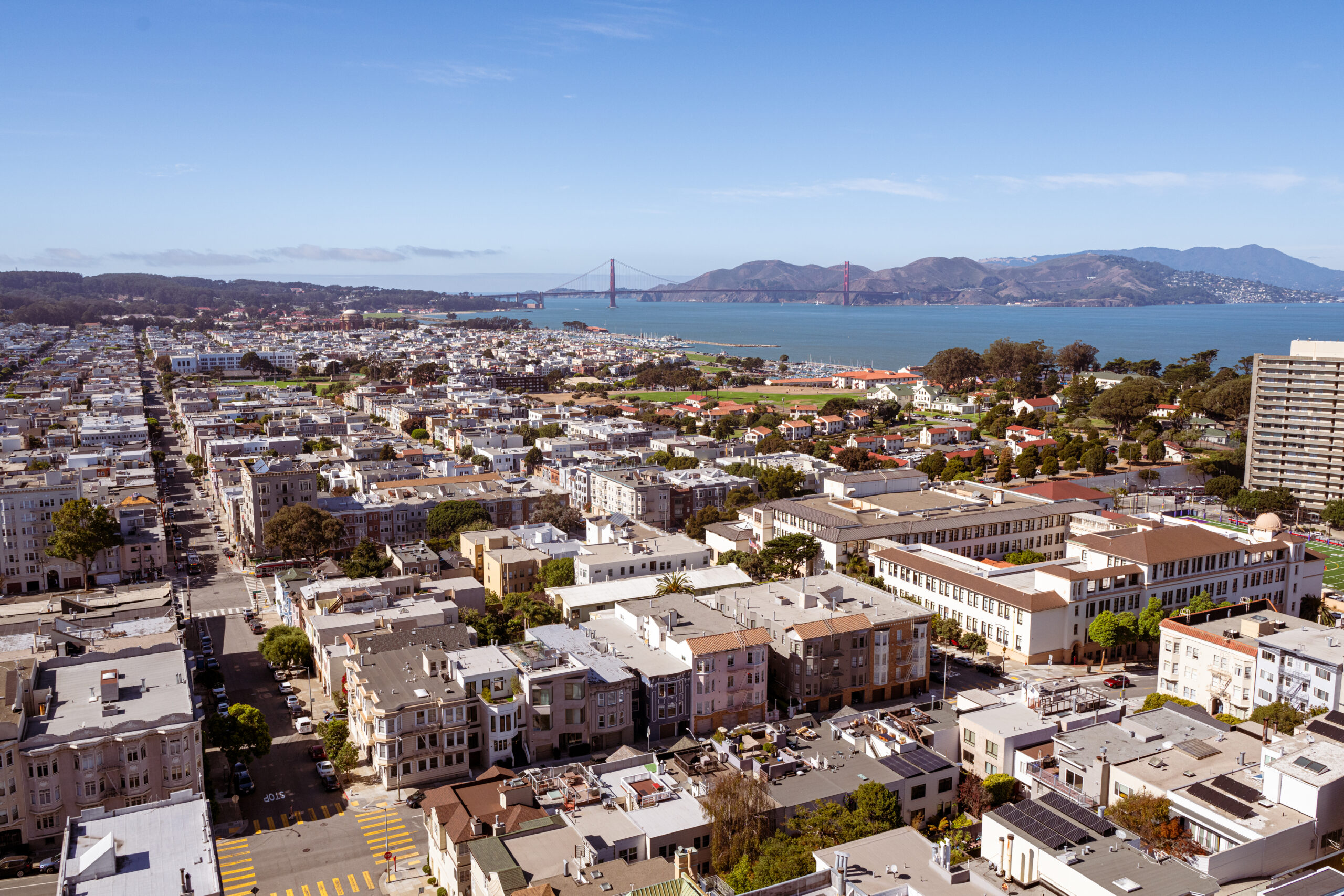
Winter in San Francisco doesn’t come with snow. It comes with green hills and a sunset that beats you home from work. The rain arrives in storms that last a day or three, and then the sky clears and the whole city looks rinsed.
Some days it pours and you just want to be somewhere warm. Then the sky clears, and it’s the best time all year to be outside.
It’s not cold here by most standards, but it’s chilly enough to dress for, and that’s my favorite part. Winter is the one season I get to pile on layers.
Winter in San Francisco at a glance
- Most of the city’s rain falls between November and March, usually in storms that last a few days.
- Daytime highs sit in the upper 50s. Nights drop into the mid 40s.
- The Union Square ice rink opens in early November and runs into mid-January.
- Local Dungeness crab used to arrive by Thanksgiving. In recent years, the season has opened in January.
- SF Sketchfest fills comedy stages across the city in the second half of January.
- The Chinese New Year Parade lands between late January and early March, set by the lunar calendar.
What is winter like in San Francisco?
Mild, and a lot wetter than the rest of the year. The city averages around 20 to 23 inches of rain a year, and nearly all of it falls between November and March. It doesn’t drizzle all season. A storm rolls in, rains hard for a day or three, then moves on.
Wind is what makes it feel cold. A 55-degree afternoon on an exposed hill feels nothing like 55 in a sunny courtyard. Locals wear layers and a hooded rain shell, because umbrellas tend to flip inside out at the first windy corner.
In El Niño years, the season usually runs wetter than average. Check the forecast before you plan anything outdoors.
What changes when you live here in winter?
A few things you notice by the second storm:
- The radiator wakes up. In older buildings, steam heat clanks and hisses on the first cold night. It’s normal.
- The sun sets early. In December it’s down before 5 pm. Take your walk at lunch.
- Muni slows down in storms. SFMTA posts its Transit and Traffic Advisory every Thursday, and storm detours show up on its site and on 511.org.
- The bay comes up. Extra-high tides, called king tides, arrive in late November, December and January and can push water onto low parts of the Embarcadero. Skip flooded stretches on foot and on a bike.
- Report leaks the day you see them. If water comes in around a window or under a door, tell your property manager the same day.
What to do in San Francisco when it rains
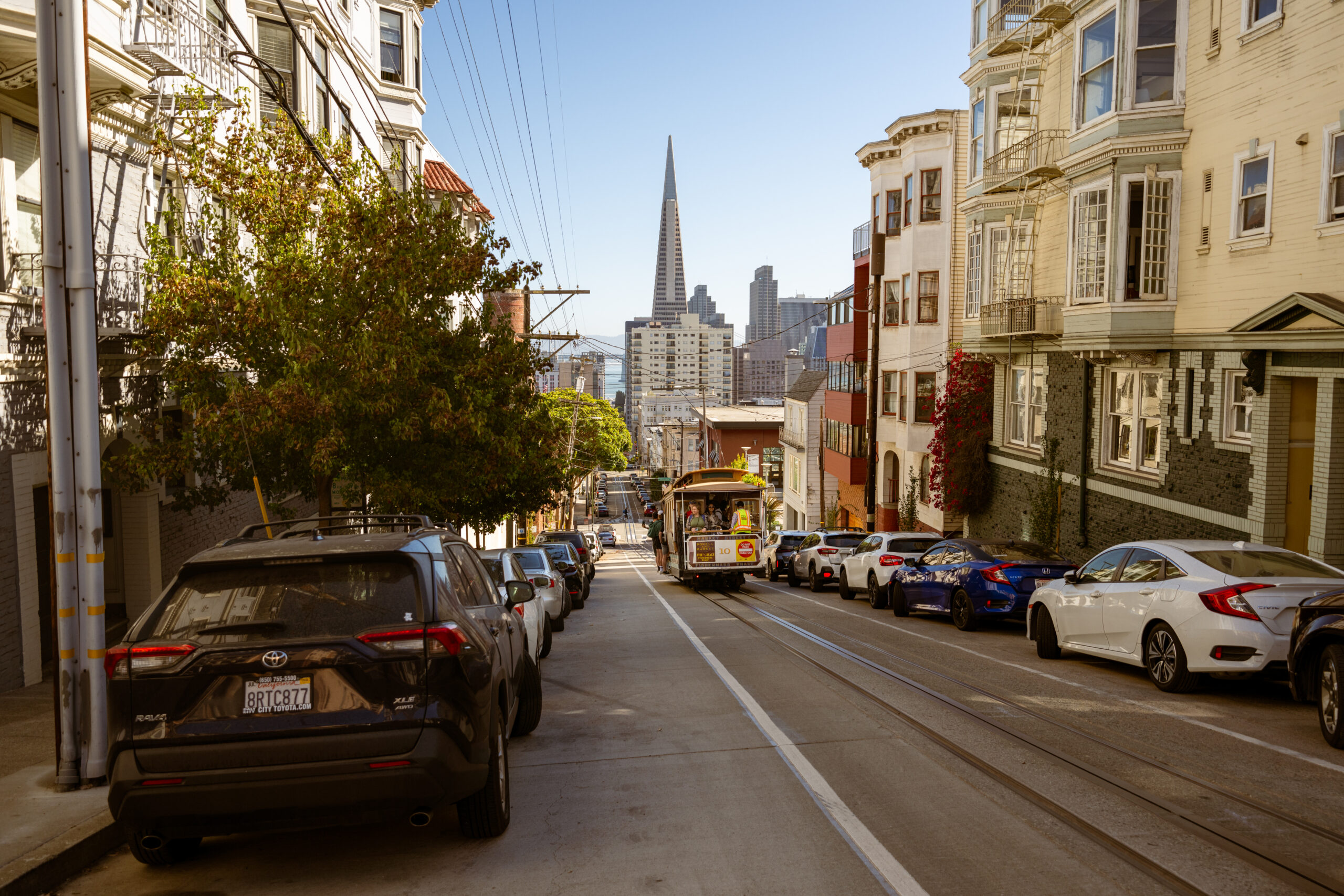
Watch the cable car cables run. The Cable Car Museum at Washington and Mason, on Nob Hill, is the working powerhouse for the whole system. It’s free. You stand on a balcony and watch the giant wheels that pull every cable in the city.
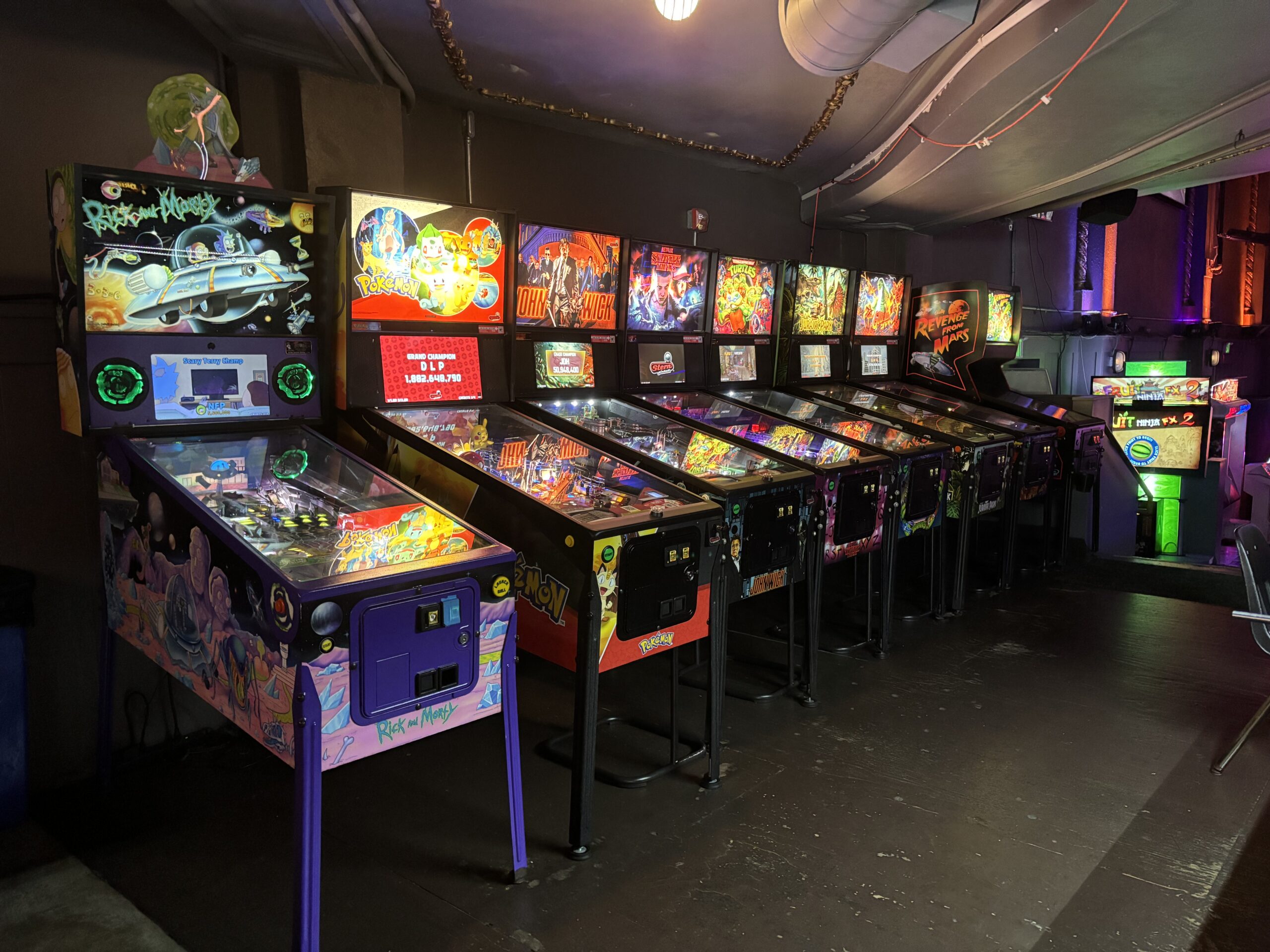
Play an antique arcade game. Musée Mécanique, at Pier 45 in Fisherman’s Wharf, is free to walk into and full of old coin-operated machines, from mechanical fortune tellers to player pianos. Bring quarters.
Spend a rainy night in a rainforest. On most Thursday nights from 6 to 10 pm, the California Academy of Sciences runs NightLife, a 21-and-over evening with drinks and the museum open late. If the four-story rainforest dome is the reason you’re going, get there early. Last entry is 7:30 pm. NightLife takes a holiday break from early December to mid-January, so check the calendar before you go.
Try the Exploratorium after hours. Every Thursday from 6 to 10 pm, After Dark at Pier 15 opens the museum to visitors 18 and up, with the hands-on exhibits and a bar. Since NightLife is also on Thursdays, pick one per week.
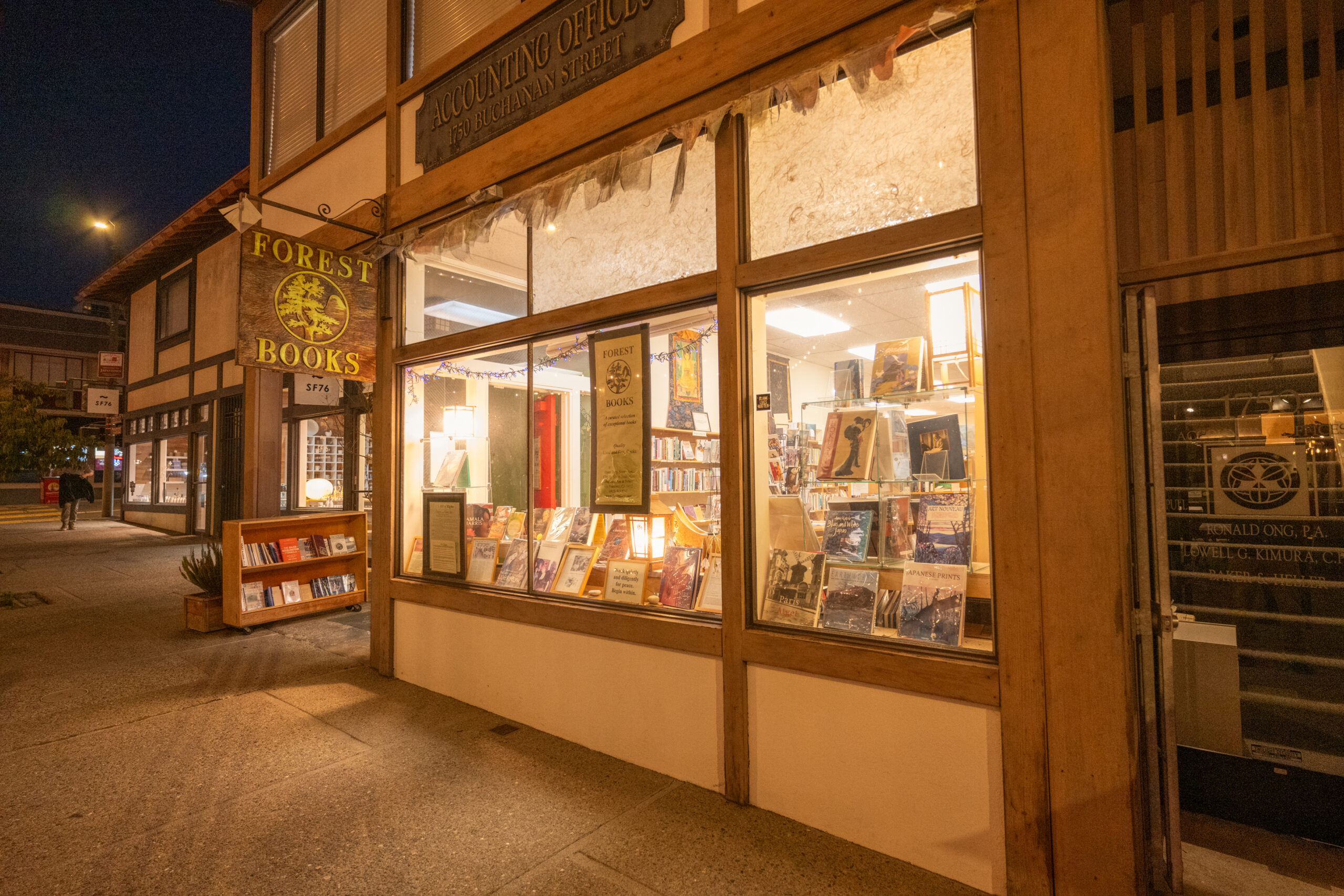
Read until it stops. City Lights Bookstore on Columbus Avenue in North Beach has been selling books since 1953. The upstairs poetry room is a good place to wait out a storm.
Order a bowl of cioppino. The tomato and seafood stew started in North Beach, where Italian fishermen made it from whatever was left of the day’s catch.
Get ramen in Japantown. The Japan Center malls on Post Street have several ramen counters under one roof, so you can decide between them without an umbrella.
End the night at the Buena Vista. The bar at Hyde and Beach, at the end of the Powell-Hyde cable car line, says it served the first Irish coffee in the U.S. Sit at the bar and watch them line up a dozen glasses at once.
Most storm days, though, I stay in. I open the window to let the cold air and the sound of the rain in, light a candle, and work from home in the quiet.
What to do the morning after a storm
The first clear day after a storm is the one to plan around. The rain knocks the haze out of the air, and you can see across the bay.
Go up Twin Peaks or Bernal Hill. On a clear day from Twin Peaks, you can see the Farallon Islands on the horizon, about 30 miles out. They’re technically part of San Francisco. Bernal Hill is smaller and an easy climb from Cortland Avenue.
Walk Lands End. The coastal trail runs from the Sutro Baths ruins toward the Legion of Honor, with the Golden Gate in view for most of it. After a storm, waves break hard on the rocks below the baths. Stay on the trail, since the cliff edges are unstable when wet.
Watch the surf at Ocean Beach. Winter swells roll in big. Watch from the sand or the seawall and stay out of the water. Sneaker waves can run far up the beach without warning.
Look at the hills. In January the hills turn green, and they stay that way into spring. The open slopes of the Presidio are an easy place to see it.
Catch a king tide. On king tide mornings, the water along the Embarcadero sits higher than at any other point in the year. This season they’re due November 24 to 26, December 23 to 25 and January 21 to 22. The California King Tides Project posts the exact times.
Where to see holiday lights in San Francisco
- Union Square puts up its holiday tree next to the ice rink.
- The Embarcadero Center outlines its four towers in lights.
- The Bay Lights are back after going dark in 2023, and run every night on the Bay Bridge from dusk to dawn. The Embarcadero has a clear view.
- Golden Gate Park lights Uncle John’s Tree, a Monterey cypress outside McLaren Lodge that the city has lit every December since 1929.
- Illuminate SF puts up light art across more than a dozen neighborhoods from late November through January. Most of it is free.
- Fourth Street in Berkeley keeps its lights on nightly through winter.
Where can you go ice skating in San Francisco?
The rink in the middle of Union Square opens in early November and runs into mid-January. This season it’s open through January 18. Sessions are an hour long and start every 90 minutes, and weekend sessions can sell out, so book ahead.
The rink runs theme nights through the season. On New Year’s Day there’s usually a Polar Bear Skate, where people skate in swimsuits. Wear layers and gloves the rest of the time. Skates can’t leave the ice, and the restrooms are in the Union Square Garage.
When is Dungeness crab season in San Francisco?
For decades, the commercial season for Bay Area crab opened in mid-November, in time for Thanksgiving. In recent years, the state has pushed the opener into January to give migrating humpback whales time to leave before traps go in the water. This season, the commercial opener is delayed until at least January 1. If you want local crab, it usually shows up after New Year’s. The California Department of Fish and Wildlife posts the current status.
Where to eat it:
- Swan Oyster Depot on Polk Street, a narrow counter open for lunch, with a line most days. Come alone if you can. Single seats open up faster.
- The crab stands on Jefferson Street at Fisherman’s Wharf, where crab is cooked in steel pots right on the sidewalk.
- A crab feed. Schools, clubs and community groups around the Bay hold all-you-can-eat crab dinners in winter.
What happens in San Francisco in January and February?
SF Sketchfest. In 2027 it runs January 14 to 31. Expect sketch, improv, stand-up and live podcasts at venues across the city, from North Beach comedy clubs to Fort Mason. Popular shows sell out, so buy early.
The Chinatown Flower Market Fair. The weekend before Lunar New Year, Grant Avenue between Clay Street and Broadway fills with stalls selling flowers, candy and lucky plants. It’s free.
The Chinese New Year Parade. A few weeks after the flower fair, the parade steps off on a Saturday evening at Second and Market. In 2027 that’s February 20, starting at 5:15 pm. It loops around Union Square and ends near Kearny and Columbus, about 1.3 miles. It runs about two and a half hours, rain or shine. Watching from the sidewalk is free, and bleacher seats are ticketed. The Golden Dragon comes last.
Free museum Saturdays. The de Young and the Legion of Honor are free every Saturday for residents of the nine Bay Area counties. Bring a driver’s license or a piece of mail with your address, and reserve your ticket online before you go. Free admission covers the permanent collection. Special exhibitions cost extra.
Winter in San Francisco, month by month
| What’s happening | Where | When it usually happens | Cost |
|---|---|---|---|
| Union Square ice rink | Union Square | Early November to mid-January | Ticketed |
| Great Dickens Christmas Fair | Cow Palace, Daly City | Weekends from the weekend before Thanksgiving through December | Ticketed |
| Holiday trees and building lights | Union Square, Embarcadero Center, Golden Gate Park | Late November through December | Free |
| The Bay Lights | Bay Bridge, seen from the Embarcadero | Every night, dusk to dawn | Free |
| Illuminate SF light art | Citywide | Late November through January | Mostly free |
| King tides | Embarcadero, Ocean Beach | Late November, December and January | Free |
| Dungeness crab season | Fisherman’s Wharf, Polk Street | January in recent years | Market price |
| SF Sketchfest | Venues citywide | The second half of January | Ticketed |
| Chinatown Flower Market Fair | Grant Avenue, Chinatown | The weekend before Lunar New Year | Free |
| Chinese New Year Parade | Second and Market to Kearny and Columbus | A Saturday evening between February and early March | Free, bleachers ticketed |
| Free Saturdays at the de Young and the Legion of Honor | Golden Gate Park, Lincoln Park | Every Saturday | Free for Bay Area residents |
Things you only learn after a winter here
- “The coldest winter I ever spent was a summer in San Francisco” sounds like Mark Twain, but nobody has found it in anything he wrote. Summer is the foggy season here. Winter gets the blue skies between storms.
- An umbrella lasts about one windy corner. A hood lasts all season.
- The hills go green in January, not spring.
- On the first clear day after a big storm, it feels like the whole city is outside.
San Francisco winter FAQ
Does it snow in San Francisco? Almost never. The last real snowfall was February 5, 1976, when about an inch fell downtown and Twin Peaks turned white. For snow you can count on, people drive to Lake Tahoe, about 200 miles and 3.5 to 4 hours from San Francisco without traffic.
How cold does San Francisco get in winter? Days usually reach the upper 50s, and nights drop into the mid 40s. Wind makes it feel colder on hills and near the water.
What should I wear in San Francisco in winter? Layers, a hooded rain shell and shoes that can handle a wet sidewalk. A heavy winter coat is usually more than you need.
What’s free to do in San Francisco in winter? The holiday lights, The Bay Lights, king tide watching, the Cable Car Museum, the Lunar New Year parade and flower fair, and free Saturdays at the de Young and the Legion of Honor for Bay Area residents.
Thinking about a move this winter?
See what’s open across San Francisco, Berkeley and Parkmerced.