The Urban Nest · Renter’s guides
Apartments Under $3,000 in San Francisco: Lower Nob Hill and the Tenderloin
What that money really gets you downtown. The good parts, the genuinely annoying parts, and the stuff that’s more complicated than the reputation suggests.
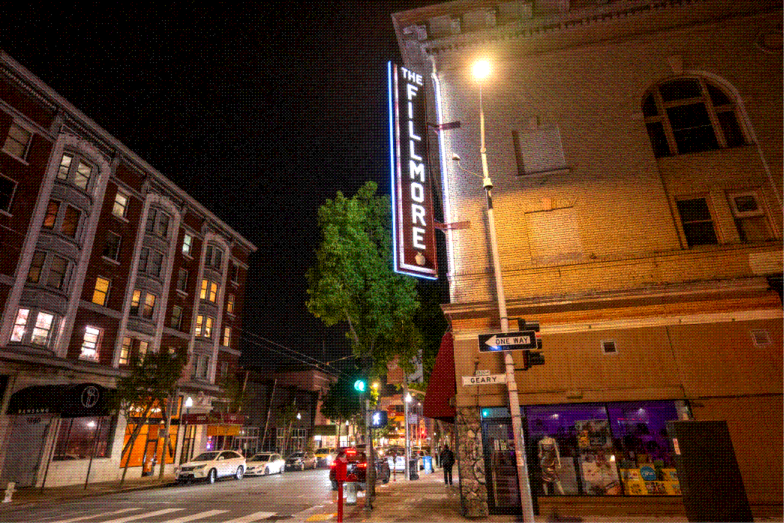
I show a lot of apartments down here, and the conversation almost always goes the same way. Someone sees the price, does a double take, pulls up the address on their phone, and then gets a little quiet.
So let’s start there instead of pretending.
Most of what’s still renting under $3,000 in San Francisco is in one stretch of downtown, and depending on which block you’re standing on, that’s either Lower Nob Hill or the Tenderloin. I’m not going to talk you out of having feelings about that. But I’ve spent a lot of time walking these blocks, and there’s a version of living here that people don’t hear about.
How much does a one bedroom cost in San Francisco?
About $4,000 a month. That is the median in Zumper’s May 2026 survey, not the high end, and it climbed more than $500 in a single year. Two bedrooms crossed $6,000 this summer.
Source: Zumper median rent data, reported by SFist in May 2026 and CBS News in July 2026.
You’re saving somewhere north of a thousand dollars a month, every month. Over a year that’s a used car, or a very good trip, or the thing that makes the difference between living in this city and moving back home.
Okay, so it’s the Tenderloin
The reputation didn’t come from nowhere, and I’d rather say that plainly than have you find out at a showing. Some blocks down here are rough. Two streets over can be a completely different place to live, which is why the address matters so much more than the neighborhood name.
Two things about it, though. The city’s numbers moved a lot last year.
Car break-ins hit a 22-year low. That’s not me spinning, it’s SFPD’s own reporting, and if you last formed an opinion about downtown San Francisco in 2022 it’s worth knowing the ground has shifted.
Locally the picture is tighter. SFPD splits the city into police districts, and the Tenderloin’s is the smallest one on the map. It still reports some of the highest numbers of any district. More happens in fewer blocks here than anywhere else in San Francisco, and that part has not changed.
But here’s what I actually think matters more than either number.
The blocks are not the same block
Four blocks in this part of the city can be two completely different lives, and the neighborhood name on a listing won’t tell you which one you’re getting. The easiest way to picture it is three bands running east to west.
Top band · Lower Nob Hill
Bush/Pine/Sutter/Post
The bottom of Nob Hill and it feels like it. Mostly residential, quiet once the sun goes down, and steep as anything the further east you walk.
Middle band · where it shifts
Geary/O'Farrell
West of Larkin doesn’t read like east of Jones, and it can change corner to corner. Most of the units in this price range sit along here, which is why the specific address matters so much.
Bottom band · the Tenderloin
Ellis/Eddy/Turk/Golden Gate
The center of the Tenderloin. This is the part people picture when they hear the name, and it’s the part I’d want you to walk before you decide anything.
Even inside one band it varies. Larkin through Little Saigon on a Saturday afternoon, restaurants full, families out on the sidewalk, is not Turk two blocks south on the same day. Both of them are the Tenderloin.
And it goes smaller still. Which floor you’re on and which way your windows face will change your apartment more than the street name does.
Ignore the neighborhood label and go stand on the actual corner. The cross streets are the only honest part of the headline.
Where our buildings are
Buildings where we have units under $3,000 available, with walking times to the nearest BART station.
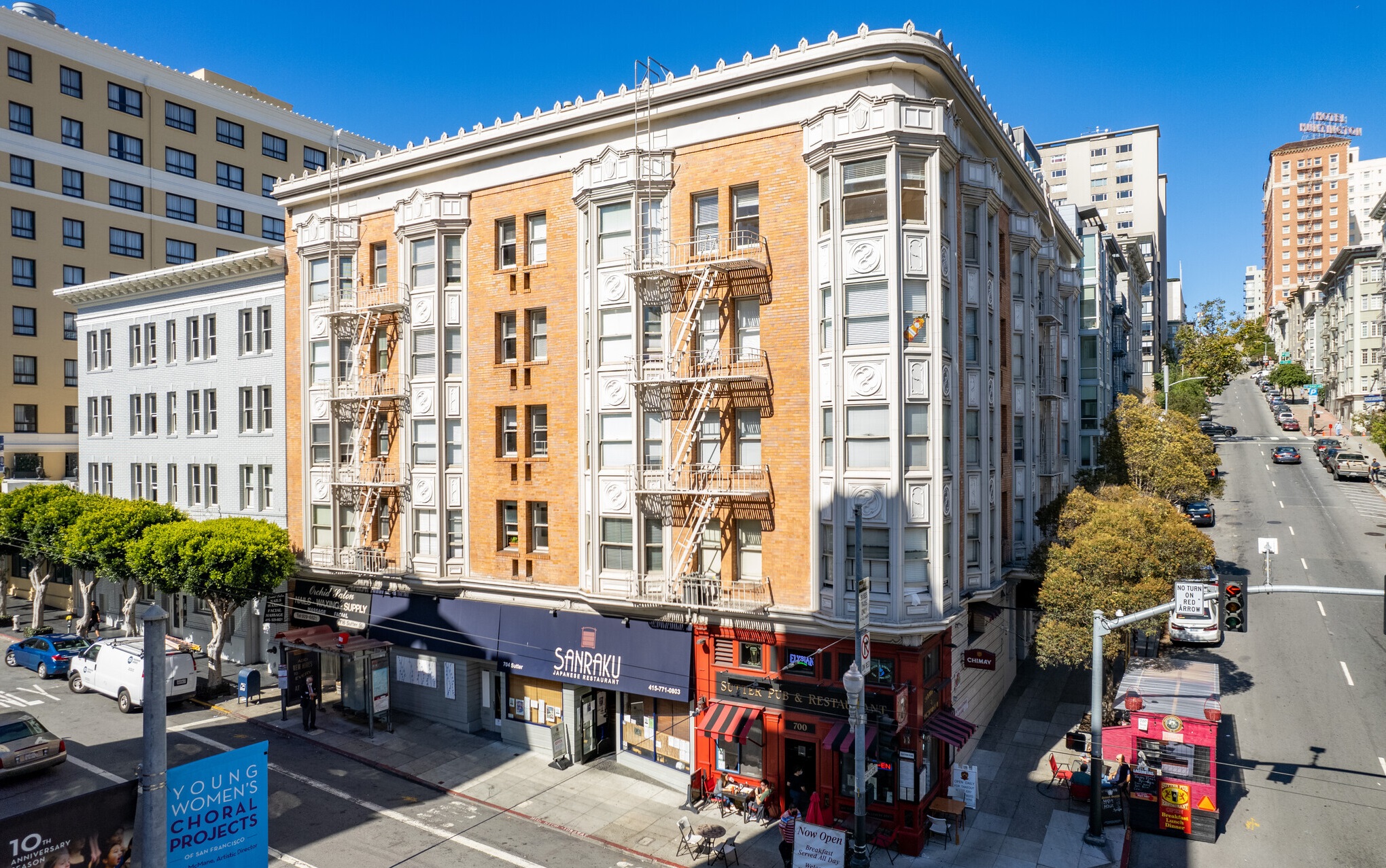
701 Taylor St
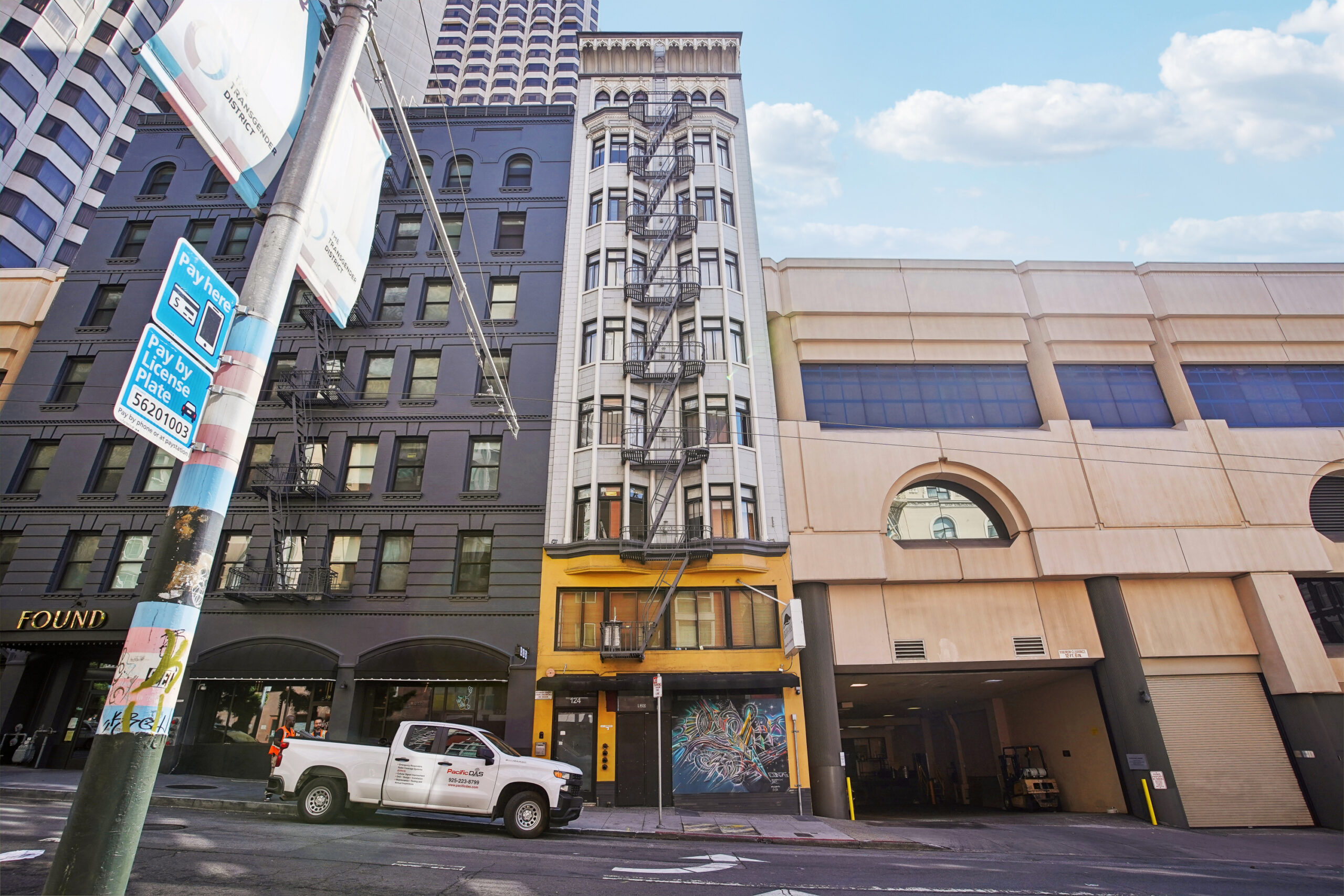
124 Mason St
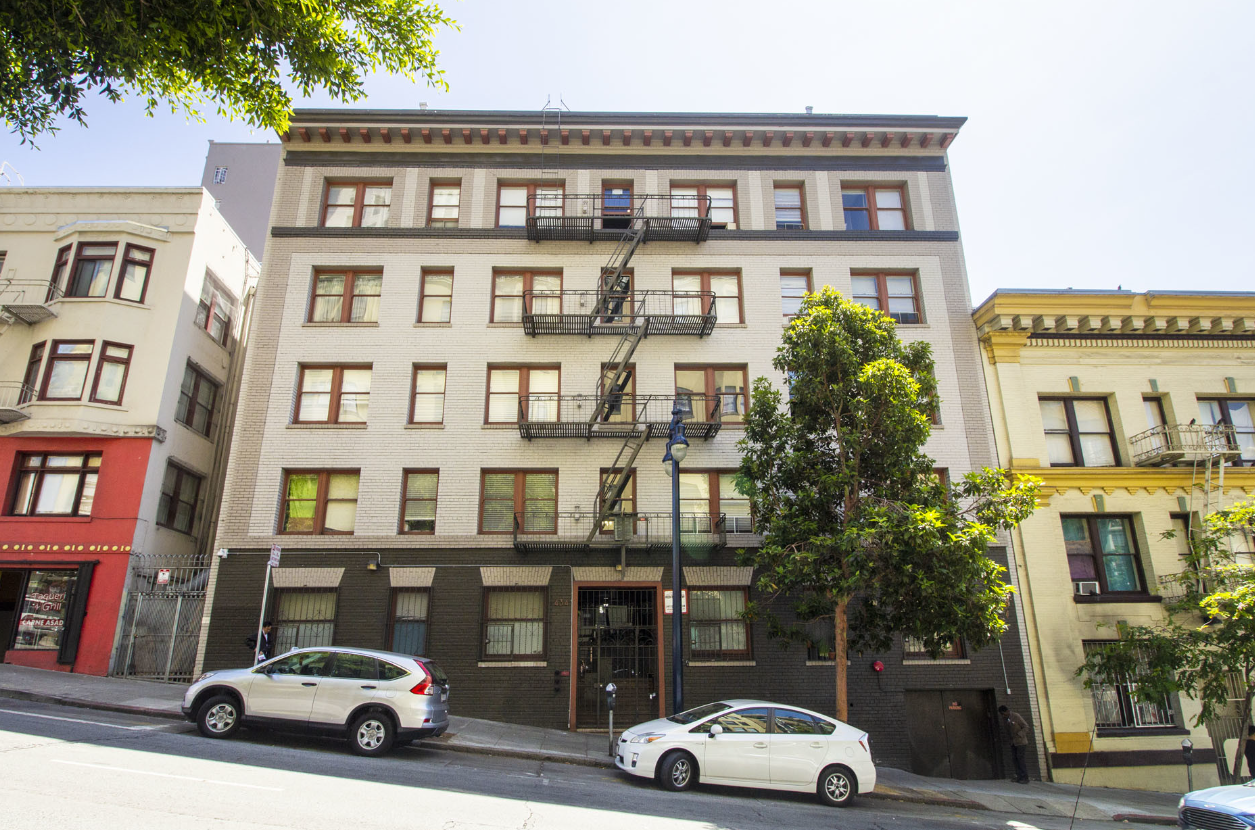
434 Leavenworth St
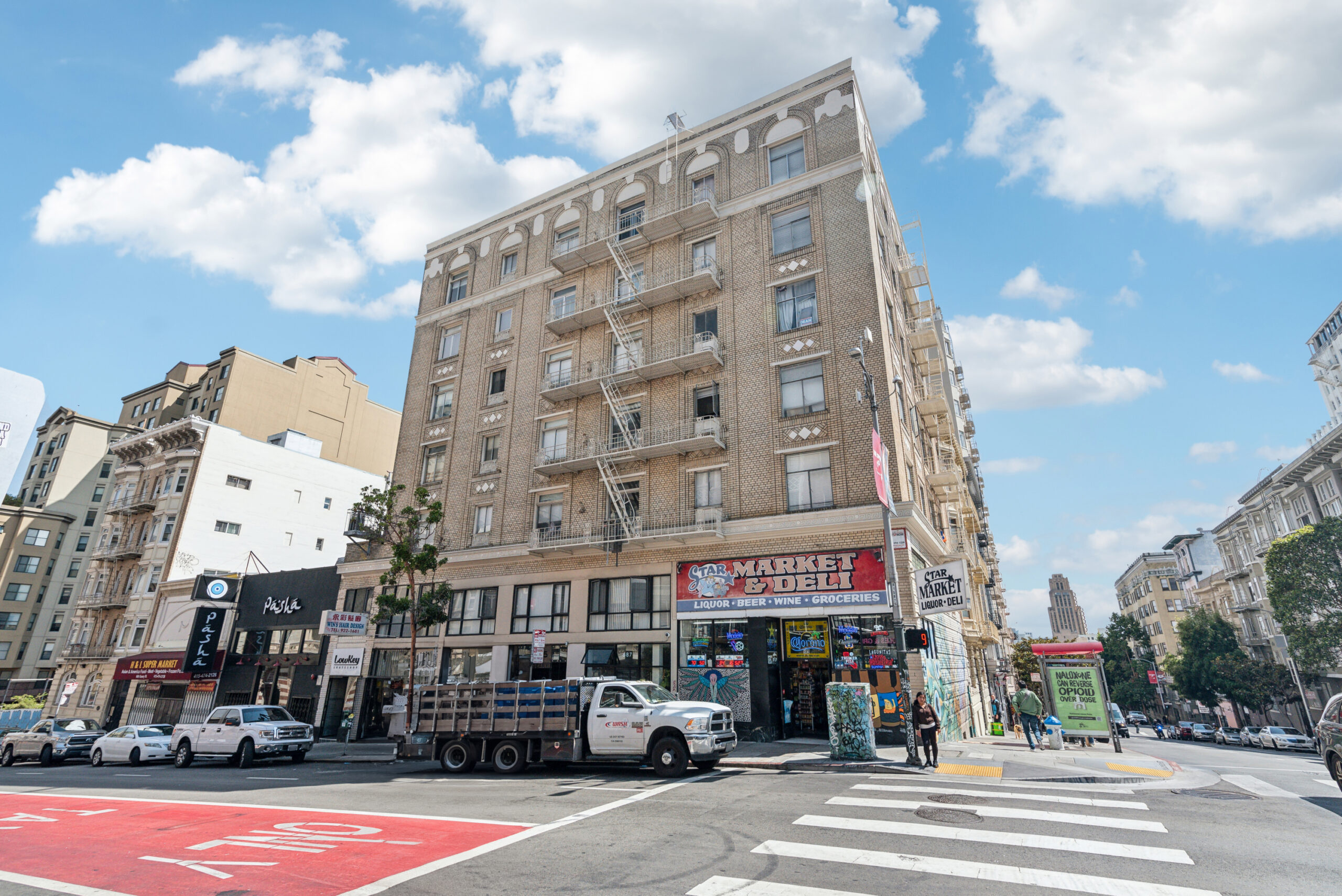
685 Geary St
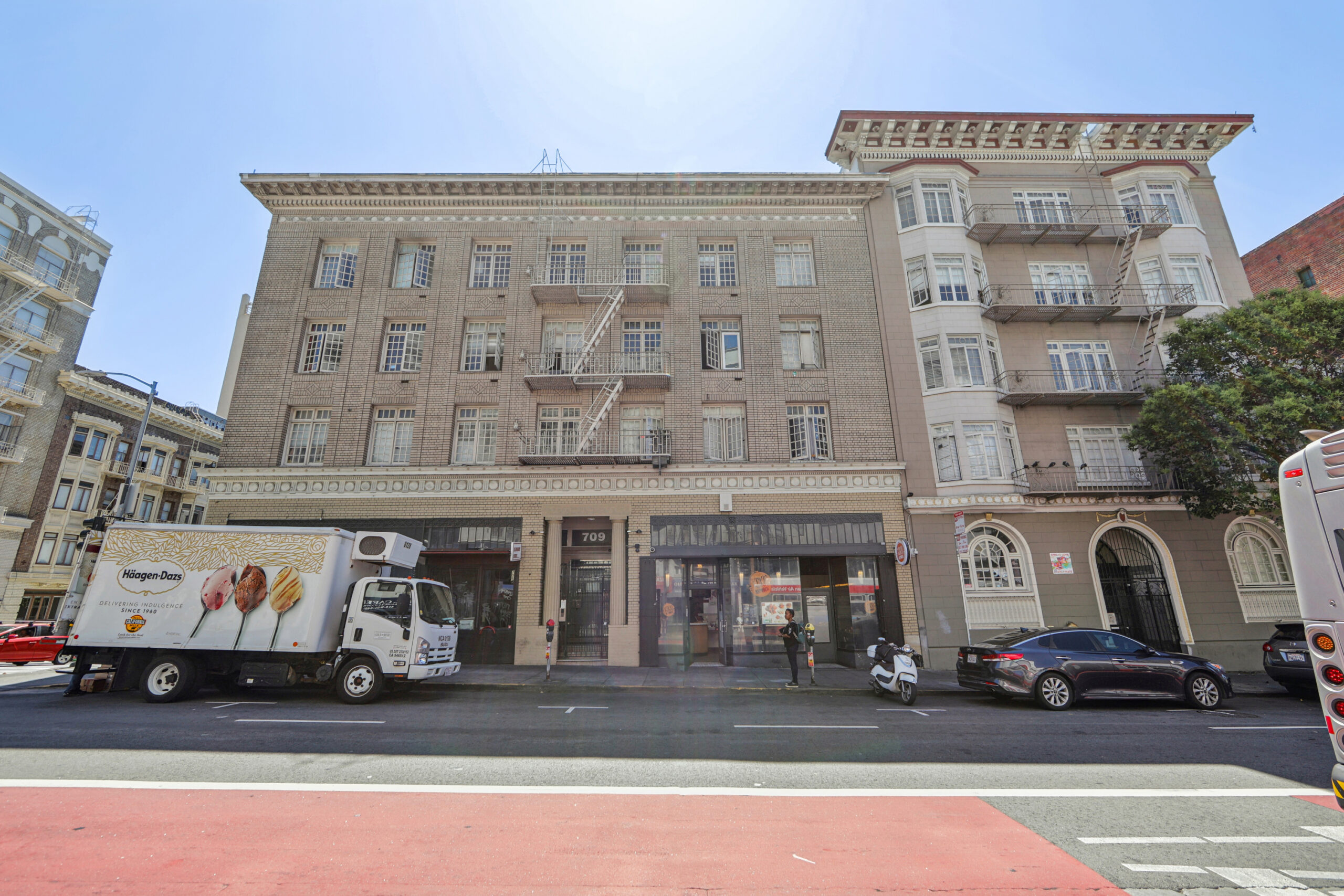
709 Geary St
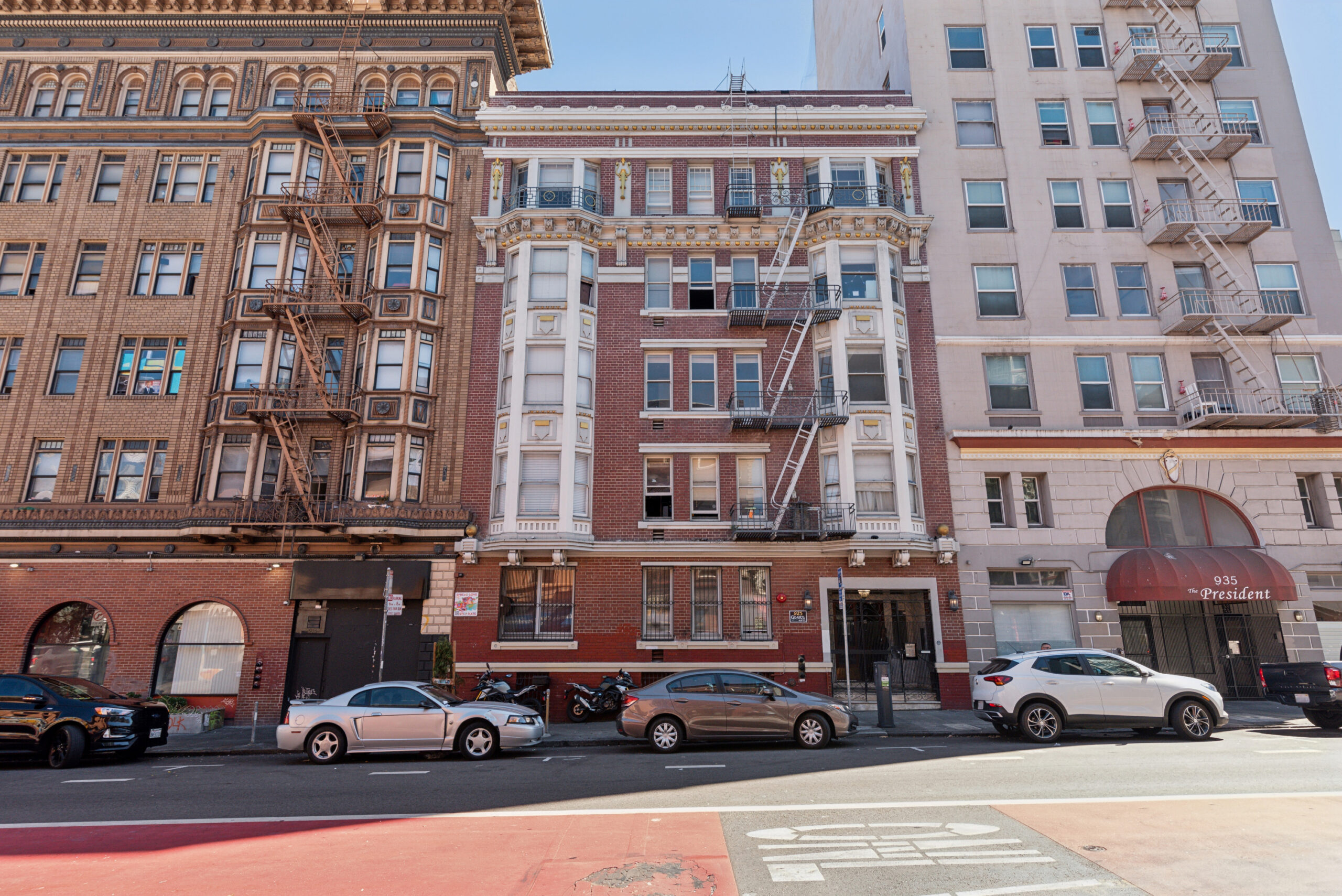
925 Geary St
Availability changes weekly, and not every building has something open at once.
See every downtown apartment we have available →You can walk home from basically every show in the city
Great American Music Hall is at 859 O’Farrell. Not near the neighborhood, in it. That’s one of thirteen rooms within about a fifteen minute walk.
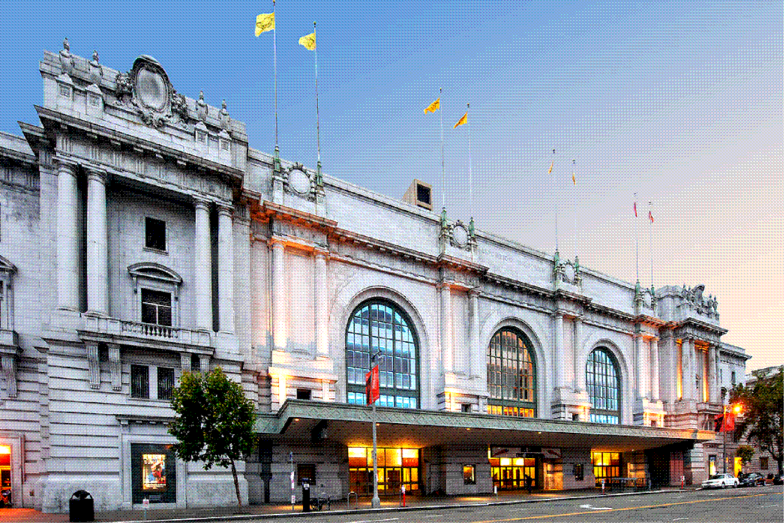
The middle of the band, where most of these apartments are.
Every room on that list is a walk. Not a ride, not a transfer, a walk. The show ends, you leave when the encore’s done, and you’re through your own door in twenty minutes. No surge pricing at midnight, no doing math about the last train, no forty dollar ride back across town because you live somewhere quieter.
I don’t think people weigh it properly until they’ve lived somewhere they had to leave a show early.
The food is genuinely great, and it’s cheap
Little Saigon runs up Larkin between Eddy and O’Farrell, and it’s the reason plenty of people who don’t live here come here anyway. You can eat extremely well for fifteen dollars, which is not a sentence you can write about much of this city anymore.
Vacant storefronts filling back in is a slow, unglamorous kind of good news, and it’s the sort of thing you notice living somewhere long before it shows up in an article about the neighborhood.
The buildings are the other thing
Almost everything down here went up between 1906 and 1941, and there’s a reason for the tight window. The earthquake and fire cleared this part of the city. When it got rebuilt, fire-resistant construction was required, and what came back was block after block of residential hotels and apartment buildings, three to seven stories, in whatever revival style happened to be fashionable that decade.
Most of it is still standing. In 2009 the National Park Service listed 33 blocks of the neighborhood as the Uptown Tenderloin Historic District. I’d bet most people who live here have walked past a dozen of those plaques without ever looking up.
What that means practically: bay windows, high ceilings, plaster walls, radiators that clank, and floors that aren’t quite level.
What’s actually annoying about it
The real one
Groceries
No Safeway or Whole Foods within a reasonable walk. The nearest is Trader Joe’s at Fourth and Market, about twelve minutes, or the one on Hyde, same distance but uphill the whole way. There’s a farmers market Wednesdays and Sundays on Fulton between Larkin and Hyde, which I’d actually use.
Parking
Hard on the street, expensive in a garage. If you drive daily, do that math before the rent math.
Laundry
These buildings are older than in-unit hookups. Basement machine, or the laundromat down the block.
Noise
Sirens, and venue nights near Bill Graham and the Warfield. Cuts both ways.
Take this with you when you go look
Five things will tell you more than anything written about the neighborhood, this post included.
Once mid-morning, once around nine at night. They are different and you want to have seen both before you sign anything.
From Powell or Civic Center BART to the front door, not the line the map draws for you.
It matters more than the square footage. Interior and upper floors are quieter by a wide margin.
One block in either direction can change the answer completely.
How the lobby door locks, whether the buzzer works, where packages end up.
Any leasing agent who won’t answer those is telling you something. Ask us. We’ll answer them.
What we’ve got under $3,000 right now
Availability moves every week. This is the live list.
Sources
- SFist and CBS News, on Zumper’s 2026 median rent figures
- The San Francisco Standard, January 2026, on 2025 SFPD crime data
- Uptown Tenderloin Historic District, National Register of Historic Places, listed 2009
- Mission Local, June 2026, on the Tenderloin Storefront Opportunity Grant openings
- Bill Graham Civic Auditorium event calendar
- The Infatuation, Tenderloin restaurant guide