
Marina District San Francisco Neighborhood Guide (2026)
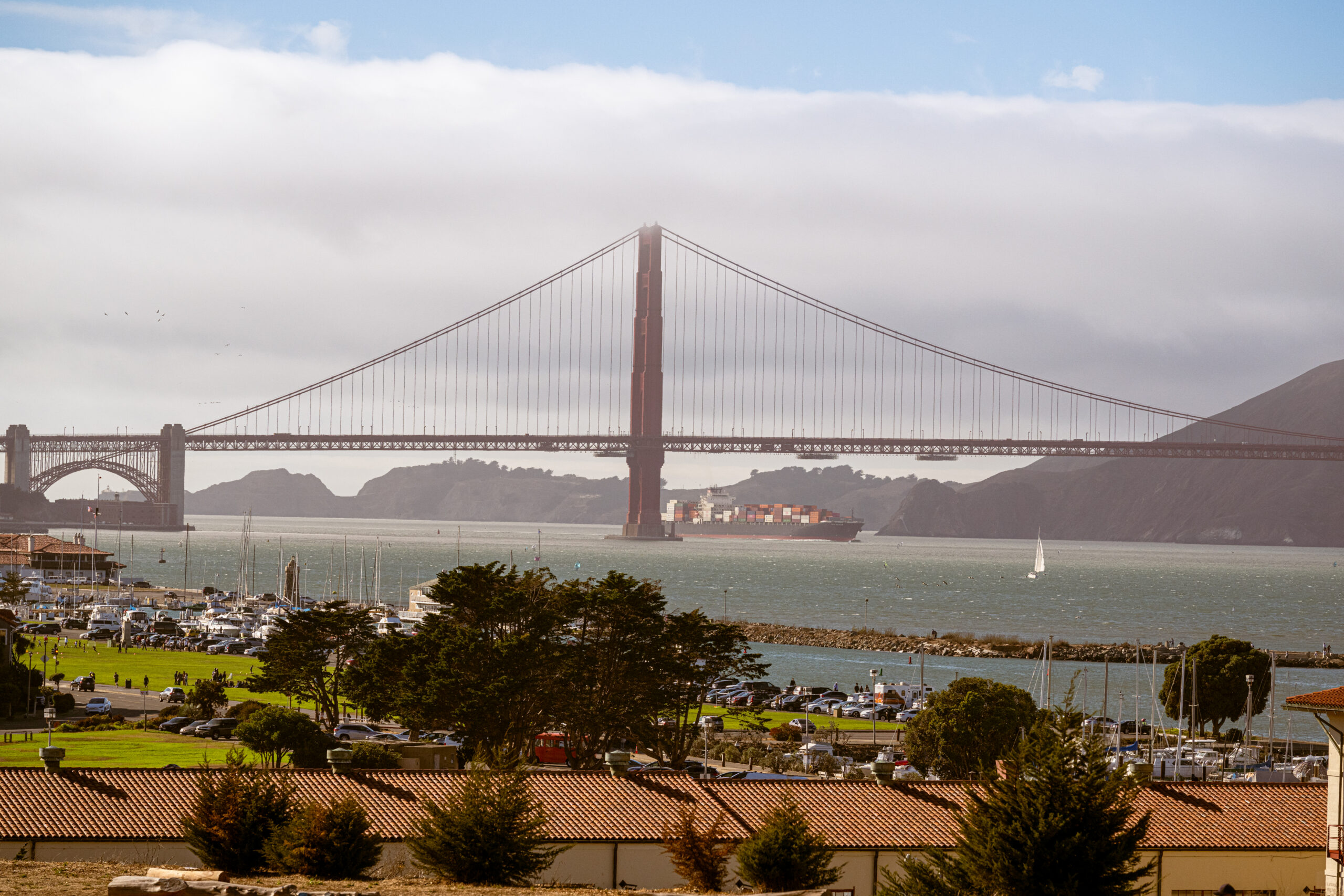
If you want to understand the Marina, go down to the water on a clear Saturday and watch what people are doing. Running along the green, walking dogs past the harbor, flying kites, drinking coffee on a bench with the Golden Gate Bridge sitting right there like it’s no big deal. This is a neighborhood that lives outside, and the whole northern edge of it opens straight onto the bay.
The Marina sits on San Francisco’s northern shore, tucked between Fort Mason on one side and the Presidio on the other, with Lombard Street marking the southern edge. The vibe is laid-back but put-together, the kind of place where people are dressed for a run they may or may not actually go on. Two commercial streets give it a center: Chestnut, the main drag, and Union just to the south in Cow Hollow, both lined with restaurants, cafes, and shops that mostly cater to the people who live there. What pulls everyone back is the water and the light. The Marina gets some of the best views in the city, and on a sunny day it’s hard to think of a better place to be.
Why is the Marina built on filled land?
Here’s something that surprises most people: almost none of the Marina sits on natural ground. The whole area was once shallow water and tidal marsh along the bay, and in the early 1900s the city filled it in with sand and mud to make solid, buildable land.
The reason for all that effort was the 1915 Panama-Pacific International Exposition, a world’s fair San Francisco threw to show it had recovered from the 1906 earthquake. The fair was never meant to last. It was a temporary spectacle of grand courtyards and towers, and once it closed, most of it came down and a fashionable new neighborhood went up on the land it left behind.
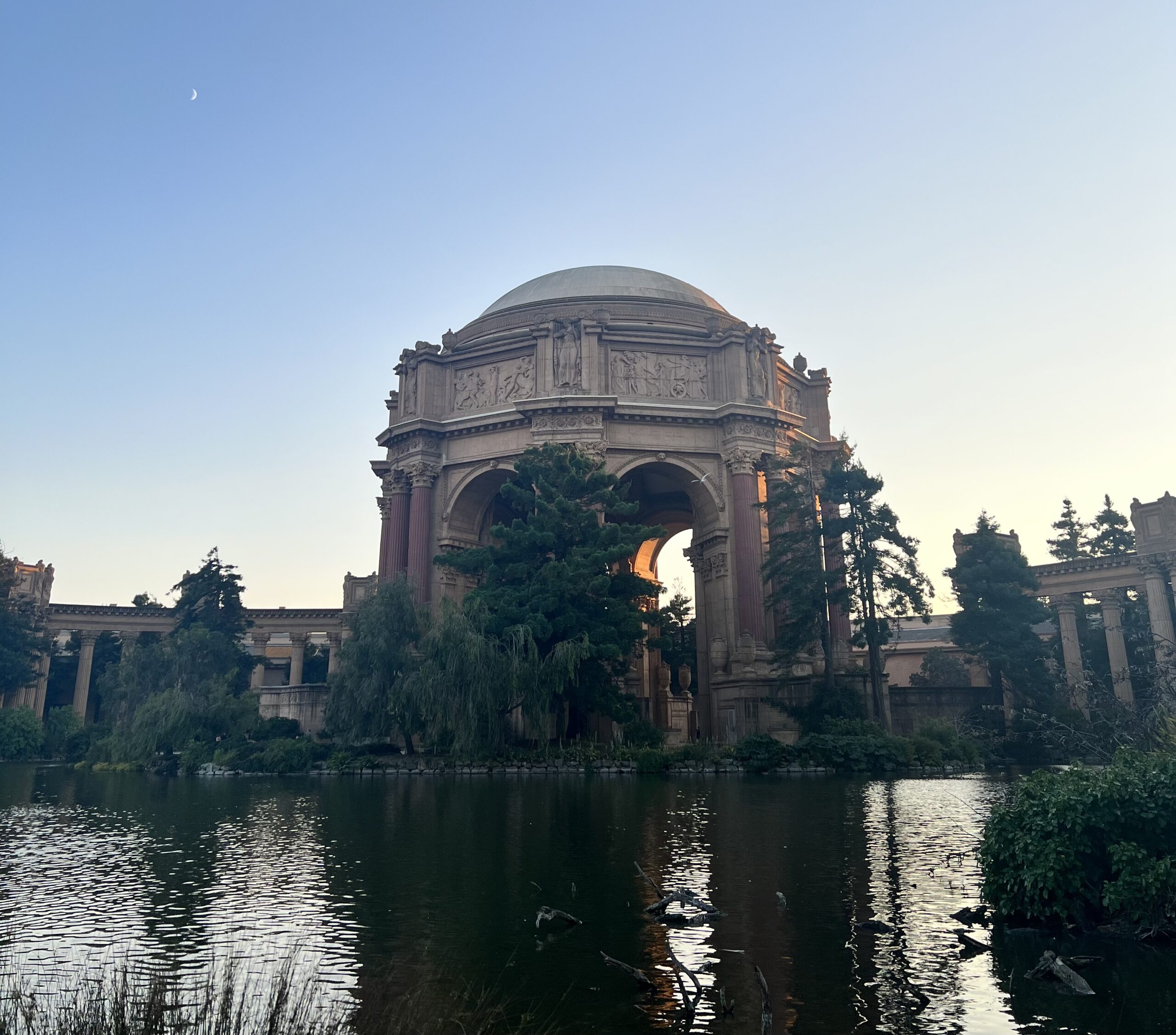
One building survived. The Palace of Fine Arts, the domed rotunda and lagoon at the western edge of the Marina, was only supposed to be temporary too, but people loved it too much to lose it, so the city eventually rebuilt it in concrete to keep it for good. Today it’s free to wander, the swans on the lagoon are there most days, and it’s the most photographed spot in the neighborhood.
Best restaurants in the Marina District
Chestnut Street is where the Marina eats, and the strip leans heavily and happily into Italian. A few worth knowing:
A16. Named after the highway that runs east out of Naples, which tells you what the kitchen is aiming at. Southern Italian, blistered pizzas out of the oven up front, pasta made in house. The wine program is the real draw and the reason it has held a reservation list since 2004.
Delarosa. Loud, packed, Roman-style pizza built for sharing. The heated parklet out front is the reason it works year-round, and it is where most people in the neighborhood end up when six of them decide on dinner at 7pm with no plan.
Causwells. Known for one of the best burgers in the city, but the move is actually brunch. The brunch burger with bacon and a fried egg is worth the wait, and there’s usually a wait.
Lucca Delicatessen. Family-run since 1929. Sandwiches at lunch that require two hands and some commitment, fresh pasta and Italian wine to take home.
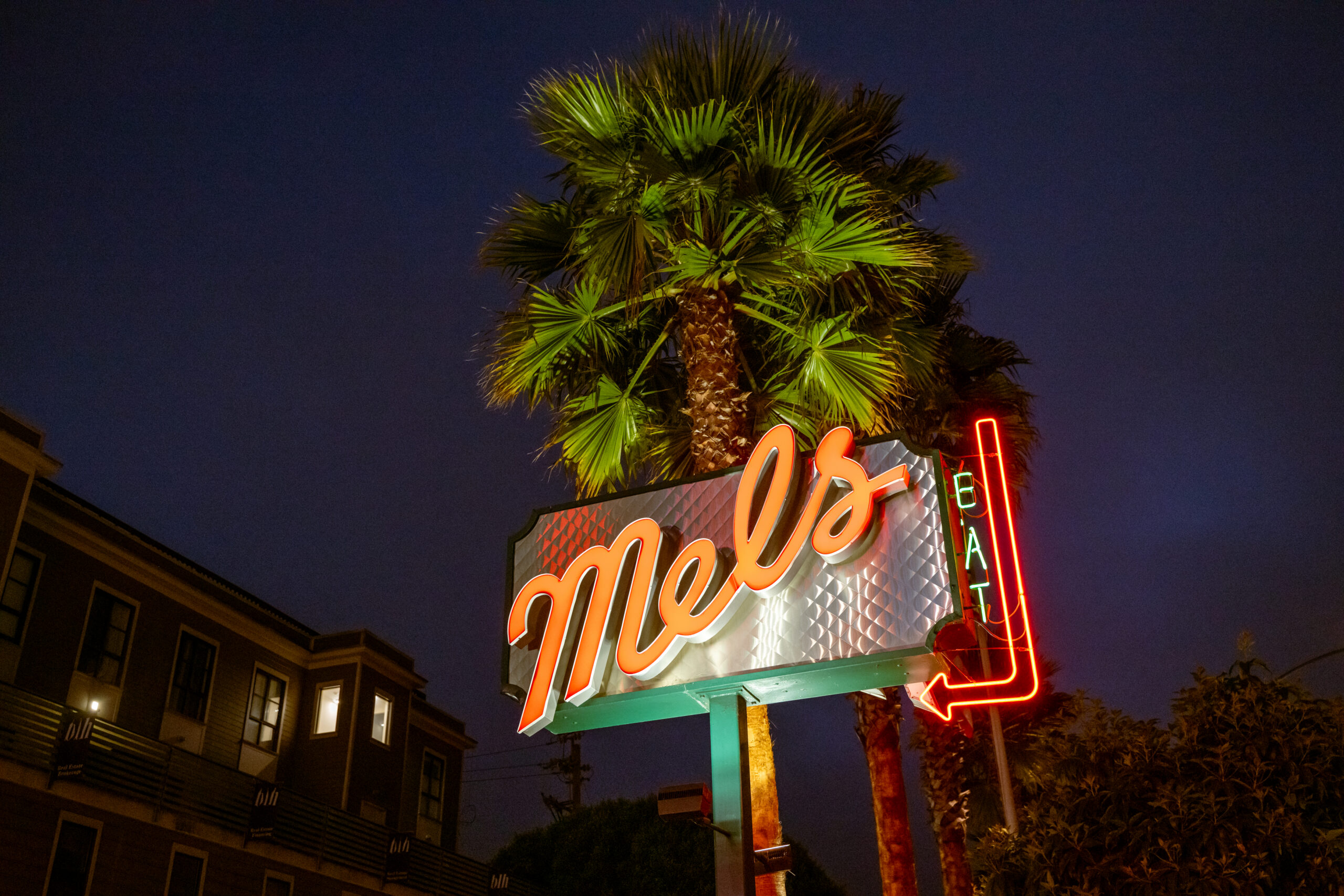
Mel’s Drive-In. The Lombard diner has been a neighborhood fixture since 1985, with jukeboxes at the tables and a kitchen that ran until 3am on weekends. A kitchen fire closed it in February 2026 and the owners have said they plan to reopen. Worth watching if you like knowing there is somewhere to eat at 2am.
What is there to do outside in the Marina?
The waterfront is the neighborhood’s main amenity, and all of it is walkable from anywhere in the Marina.
Marina Green. The long grassy stretch along the waterfront, with open views of the Golden Gate Bridge and Alcatraz. People run it, fly kites, picnic, and walk dogs along it pretty much any time the sun is out. It is the neighborhood’s front yard.
Crissy Field. Just west toward the bridge, a former airfield turned into a long stretch of restored shoreline. Wide flat paths for running and biking, a beach, marsh, and the bridge looming closer the further you walk. Easy to lose a whole morning here.
The Palace of Fine Arts. The lagoon and rotunda are a quiet place to sit even when you are not there to take photos, and the surrounding lawn works for reading or eating lunch.
The Wave Organ. Past the boat harbor, a narrow strip of land reaches out into the bay, and at the end of it sits a strange and wonderful sound sculpture. It is a set of pipes built into the rocks that uses the movement of the water to make low, echoing sounds as the bay moves through them. Go at high tide, when the water is high enough to really get it going.
What kind of apartments are in the Marina?
Most of the neighborhood went up in the fifteen or so years after the fair closed, which is why the buildings all look like cousins. Stucco front, arched doorway, garage tucked underneath with the living space stacked above it, usually two to four apartments to a building.
Inside you’re looking at bay windows on the street side, hardwood, and a floorplan that runs long and narrow from front to back. You’ll also see “junior one bedroom” all over the listings here, which is really a studio with a sleeping alcove off to one side. Newer buildings don’t use the term, so it catches people off guard.
Closets are small, kitchens are usually the same footprint they were in 1928 no matter how new the counters look, and in-home laundry isn’t a given. But you get light from two sides, ceilings that newer buildings don’t give you, and a bay window that makes up for a lot.
Is the Marina walkable?
Yes, and it is one of the flattest neighborhoods in San Francisco, which sets it apart from most of the city. Groceries, coffee, restaurants, and the waterfront are all reachable on foot from anywhere in the neighborhood, and you can bike it without thinking about hills.
What happens in the Marina through the year?
Fort Mason. The old Army pier complex on the eastern edge of the neighborhood runs events year-round. The Fort Mason Night Market happens monthly on a Friday from April through December, free, 5 to 10pm, with about fifty craft vendors and twenty-five food trucks along the waterfront. FOG Design+Art takes over the Festival Pavilion in winter, and the Renegade Craft Fair comes through too. Their calendar fills up fast.
Rolex Big Boat Series. St. Francis Yacht Club has hosted this regatta every September since the 1960s, four days of racing across the bay. You can watch the whole thing for free from Marina Green or out on the breakwater. This year it’s September 16 to 20.
Sundown Cinema. The city’s free outdoor movie series rotates through five parks each summer and Marina Green usually gets one of the nights. This year it’s The Parent Trap on August 21, starting around sunset. Bring a blanket, it gets cold.
Getting around the Marina
Is the Marina near BART? No. There is no BART or Muni Metro station in the Marina, so crossing town means buses, biking, or driving. This is the neighborhood’s real tradeoff, and it matters most if you commute to the East Bay.
For Muni, the 30-Stockton and 22-Fillmore run through the neighborhood and connect toward downtown and the Mission, and the 28 runs along the western edge toward the Golden Gate Bridge. Golden Gate Transit buses to Marin stop along Lombard.
On foot, the Presidio, Fort Mason, and Cow Hollow are all a short walk away, and Russian Hill and North Beach are reachable if you do not mind the climb.
Thinking about living here?
If you’re exploring the Marina and want to see what’s available, you can browse our current apartments in the neighborhood here:
